Wood Tech Floors

Loading

Category Home Maintenance Tips

A Truly Secure Home Is Built One Layer at a Time 2
A Truly Secure Home Is Built One Layer at a Time

Creating a safe home isn’t about installing a single alarm or buying the most expensive lock on the market. Real home security comes from combining strong construction, quality materials, reliable locks, and modern security technology into one complete system. When each of these elements works together, your home becomes far more secure and gives you greater peace of mind.

It Starts with a Strong Foundation

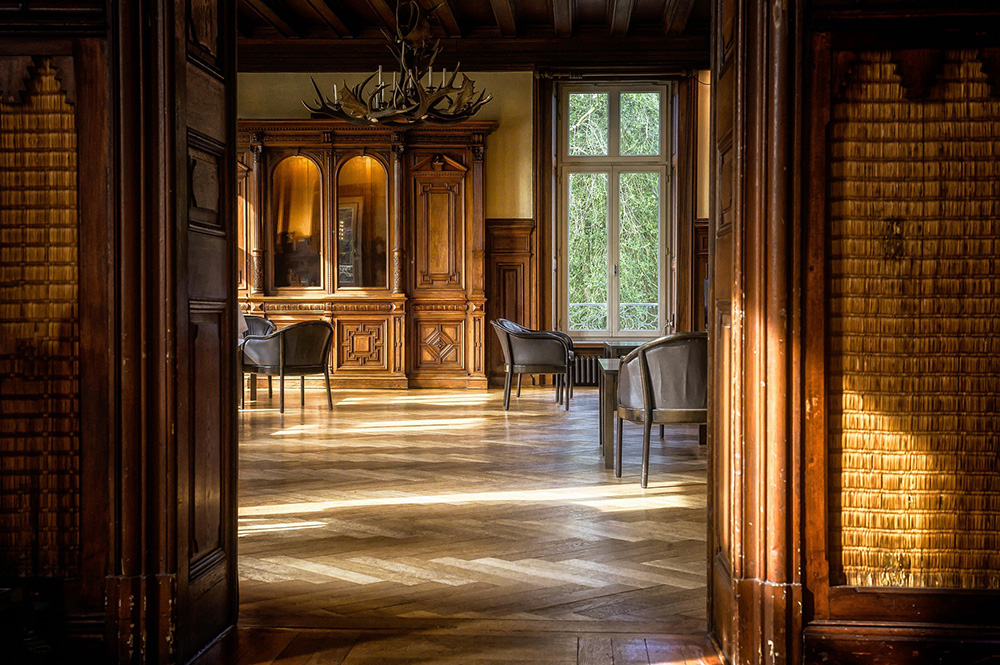
Every secure home begins with quality construction, and that includes your flooring.

Solid wooden floors are more than just an attractive design feature. They add strength, durability, and long-term value to your property. Unlike cheaper flooring materials that can wear down or become damaged over time, hardwood flooring is built to last for decades while maintaining its timeless appearance.

A home that is well built from the ground up not only feels more solid, it also provides a stronger foundation for every other security feature you invest in.
A Truly Secure Home Is Built One Layer at a Time

Your Doors Are Only as Secure as Their Locks

No matter how well your home is built, your doors and windows remain the most common entry points for intruders. That’s why investing in high-quality security locks is one of the smartest decisions any homeowner can make.

Strong deadlocks, quality window locks, and modern locking systems create an effective barrier against forced entry. However, even the best lock can fail to provide proper protection if it isn’t installed correctly.

This is where an experienced locksmith becomes invaluable. A professional locksmith can recommend the most suitable locks for your property, install them correctly, and identify weaknesses that many homeowners overlook. Proper installation ensures your locks perform exactly as they were designed to when you need them most.

Modern Security Systems Add Another Layer of Protection

Physical security is only one part of protecting your home. Today’s security systems provide an additional layer that helps detect threats before they become serious problems.

Features such as CCTV cameras, alarm systems, motion detectors, smart doorbells, outdoor lighting, and mobile alerts work together to monitor your property around the clock. Even the visible presence of these systems can discourage opportunistic criminals from attempting a break-in.

When paired with strong locks and quality construction, they create a comprehensive security solution that protects your home whether you’re relaxing inside or travelling away.
A Truly Secure Home Is Built One Layer at a Time

Every Layer Makes Your Home Safer

The most secure homes don’t rely on a single product or service. Instead, they use multiple layers of protection that support one another.

A durable home with solid wooden floors provides a strong starting point. High-quality doors and windows help resist forced entry. Professionally installed security locks make access far more difficult for criminals. A trusted locksmith ensures every lock functions as intended, while a modern security system provides constant monitoring and rapid alerts.

Together, these layers create a home that is significantly more difficult to target.

Invest in Security That Lasts

Your home is one of your biggest investments, and protecting it should never be left to chance.

By combining durable wooden flooring, premium security locks, expert installation by a trusted locksmith, and a reliable security system, you’re building more than just a secure property. You’re creating a safer environment where your family can feel protected every day.

The strongest homes aren’t secured by one feature alone. They’re protected by every layer working together, creating lasting security and genuine peace of mind.

How To Select the Right Windows for Your Home

Windows are more than just openings in your walls, they’re essential features that impact the style, comfort, efficiency, and security of your home. Choosing the right windows is a decision that can significantly influence how your home looks and performs. Whether you’re building new or upgrading existing windows, here’s a straightforward guide to help you make the best choice.

1. Consider Your Home’s Architectural Style

Different window styles complement different home designs. For example:

  • Double-hung windows suit traditional homes.
  • Casement windows work well in modern or contemporary styles.
  • Bay or bow windows add character to Victorian or cottage-style homes.
  • Sliding windows are ideal for mid-century modern or minimalist homes.

Matching your window design to your home’s architecture enhances its curb appeal and maintains a cohesive aesthetic.

2. Think About Energy Efficiency

Energy-efficient windows help regulate your home’s temperature, lowering utility bills and increasing comfort. Look for:

  • Double- or triple-pane glass
  • Low-E (low-emissivity) coatings
  • Gas fills like argon or krypton between panes
  • ENERGY STAR certification

If you live in a hot climate, focus on windows that block heat and UV rays. In colder climates, choose windows that retain heat.

3. Choose the Right Frame Material

The frame affects durability, maintenance, and insulation. Common options include:

  • Vinyl – Affordable, low maintenance, and energy efficient.
  • Wood – Great insulation and classic look, but needs regular upkeep
  • Aluminum – Strong and modern, but less efficient unless thermally broken.
  • Fiberglass – Durable, weather-resistant, and highly efficient.

Your climate and personal preferences will help determine the best fit.

4. Focus on Functionality

Windows aren’t just for looks—they need to work well too. Ask yourself:

  • Do I want them to open for ventilation?
  • Is ease of cleaning important?
  • Do I need soundproofing from outside noise?
  • Should they open inward or outward?

If you have kids, pets, or mobility concerns, consider safety locks and easy-to-operate designs.

5. Think About Natural Light and Views

Where your windows are placed can dramatically affect how much daylight your home receives. Large picture windows or floor-to-ceiling glass panels offer stunning views and brightness but might need added treatments for privacy or shading.

6. Don’t Forget Aesthetics and Finishes

Frame colors, grille patterns, and hardware finishes all contribute to the overall vibe of your space. Consider how the interior and exterior finishes will match your home’s color scheme and décor.

7. Set a Realistic Budget

Window pricing varies widely depending on size, material, glazing, and features. Factor in:

  • Purchase cost
  • Installation
  • Long-term energy savings
  • Potential rebates or tax credits for energy-efficient windows

It’s worth investing a bit more upfront for better performance and durability.

The right windows can transform your home by bringing in light, saving energy, improving comfort, and enhancing style. Take your time, compare options, and when in doubt, consult a professional window installer to ensure you make the best decision for your space and needs.

Home Maintenance Tips: Keep Your Home in Top Shape Year-Round

One of the largest investments in life is a home, which, like any other precious possession, needs to be maintained for comfort, safety, and value. Regardless of your level of experience, keeping up with maintenance chores will help you avoid future expensive problems. This is a useful guide to basic home maintenance that will help you keep your house in good working order throughout the year.

1. Examine your gutters and roof.

The first line of defense against the weather in your house is your roof. Check for damage, leaks, or missing shingles at least twice a year, especially after severe weather. Regular gutter and downspout cleaning helps avoid ice jams and water damage.

Installing gutter guards can help you clean your gutters less frequently.

2. Perform Seasonal Inspections of HVAC Systems

Your home’s comfort is maintained by the hard work of your heating and cooling systems. At least once a year, schedule expert maintenance; for heating systems, this should be done in the fall, and for cooling systems, in the spring. To increase the efficiency and purity of the air, replace the air filters every one to three months.

3. Seal doors and windows

Your energy costs may increase as a result of drafty windows and doors. Examine for any cracks or deteriorated weather stripping, then reseal as necessary. In addition to saving money on utilities, a tightly sealed home also keeps damp and vermin out.

4. Examine safety equipment

Develop the practice of testing fire extinguishers, carbon monoxide detectors, and smoke detectors every few months. As needed, or at least once a year, change the batteries. Only when safety equipment is functional is it useful.

5. Check for Leaks in the Plumbing

Ignoring a minor leak can cause a big catastrophe. Look for indications of moisture or corrosion under sinks, under toilets, and close to water heaters. To prevent water damage or the growth of mold, deal with drips and slow drains as soon as possible.

6. Take Care of Your Yard and Outside

Both curb appeal and avoiding exterior damage to your home are important. To avoid scratching or breaking, trim trees and shrubs away from the roof and siding. Repaint or reseal wood as necessary, and pressure wash external surfaces once a year.

7. Thoroughly Declutter and Clean

Plan seasonal thorough cleanings for the inside of cupboards, behind appliances, and on carpets in addition to weekly cleanings. In addition to making your house look better, decluttering also makes it simpler to identify maintenance problems.

8.Stay Organized with a Maintenance Calendar

Maintain Organization with a Maintenance Calendar Set reminders for regular chores like filter changes, gutter cleaning, or HVAC inspections using a digital or paper calendar. By maintaining organization, you can avoid forgetting crucial seasonal tasks.

In conclusion, a small amount of effort makes a big difference.

Although it may seem like a hassle, routine maintenance is much better than having to deal with emergency repairs or unexpected breakdowns. You can safeguard your investment, save money, and live in a more secure and pleasant house by investing a few hours each month.